
Inside the Newsroom: Takeaways from the PRSA 12News Media Panel

Inside the Newsroom: Takeaways from the PRSA 12News Media Panel


Written by: Guadalupe Quintana, PR Intern

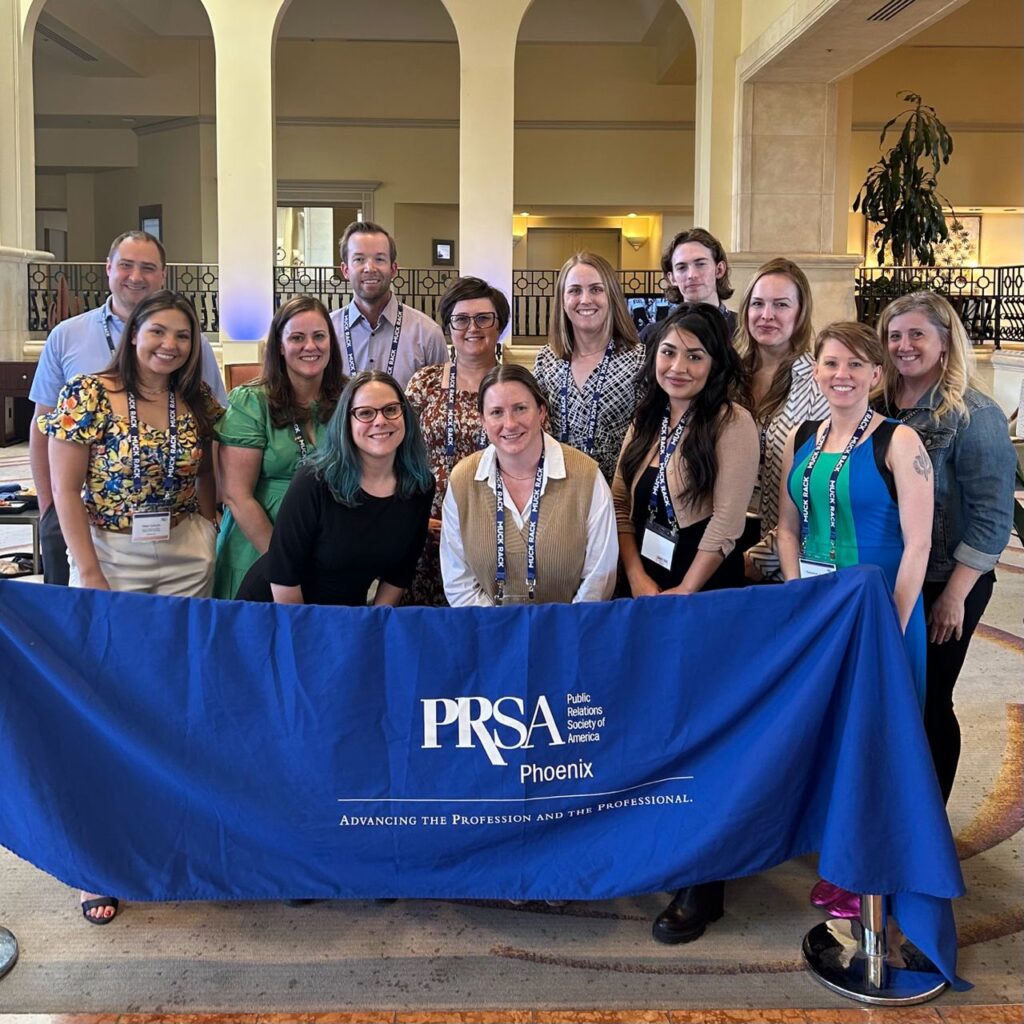
Recently, I had the opportunity to attend the PRSA Phoenix 12News Media Panel on behalf of 10to1PR, where reporters and producers pulled back the curtain on what it actually takes to earn coverage. 

Before the panel began, we toured the 12News studio and got an up-close look at the anchor desk, control room, kitchen where they do on-air cooking segments and more, seeing firsthand the space where stories come to life every day. 

The conversation that followed felt even more tangible after seeing the environment reporters and producers work in. The panel was candid, fast-paced and full of practical insight that has already shifted the way I think about pitching.

Here are the key takeaways that stood out most:

Make The Media’s Job Easier From the Start 

Reporters, producers and assignment editors receive 900 to 1,000 emails a day while managing shifts with sometimes only two to three reporters and a small photography crew on site. Every second counts. For TV pitches especially, lead with the visuals, times, dates and the interview subject right at the top. Keep the five W’s:  who, what, where, when and why, clear and upfront. If the pitch requires digging, it likely gets skipped.

Do Your Homework Before You Hit Send

Not every story fits every reporter, and not every reporter fits every story. Some avoid business promotions. Others are drawn to human interest angles and love being the first to break a story. Knowing a reporter’s beat, their show and their audience before pitching is the difference between a response and radio silence. Something as simple as saying “I thought you’d be interested in this” signals that you took the time to research their work, and reporters notice.

Be Accessible — Always

Accessibility was one of the biggest pain points reporters raised. Deadlines move fast, and a same-day turnaround is not uncommon. Being easy to reach and quick to respond is one of the simplest ways to earn a spot on a reporter’s short list. The panel also emphasized prepping clients well. A strong first impression in an interview can turn a one-time feature into a recurring expert relationship.

Producers Matter Just as Much

Producers are a key piece of the puzzle and are often overlooked. Understanding their needs and building those relationships is just as important as connecting with reporters.

Going forward, I plan to research every contact before pitching, keep communication tight and focused, and make accessibility a priority for both myself and my clients.  I also want to make sure every pitch leads with a clear visual and a strong human connection, because those two elements are often what make a story feel worth telling on air. 

In team meetings and brainstorming sessions, that means bringing questions like: 

  • What does this look like on screen? 
  • Who is the person at the center of this story and why does their experience matter to the viewer? 
  • What is the most visually compelling part of this story? 
  • Is there an action, event or moment a reporter could witness or participate in? 

Asking those questions early, whether in a meeting with a lead or directly with a client, helps build a sharper, more focused pitch before it ever reaches a reporter’s inbox. 

This panel was a strong reminder that great media relations are built on preparation, respect for people’s time and a genuine investment in the relationships behind every story. 
What’s Next in Public Relations: Four Takeaways from the PRSA Western District Conference

What’s Next in Public Relations: Four Takeaways from the PRSA Western District Conference


By: Erica Fetherston, Director, 10 to 1 Public Relations

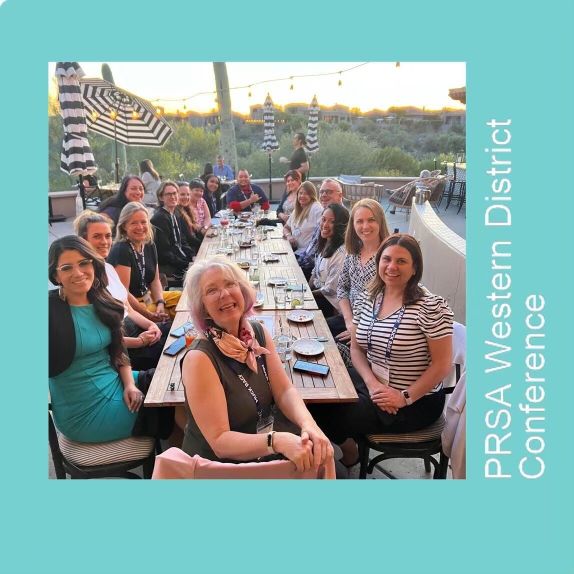
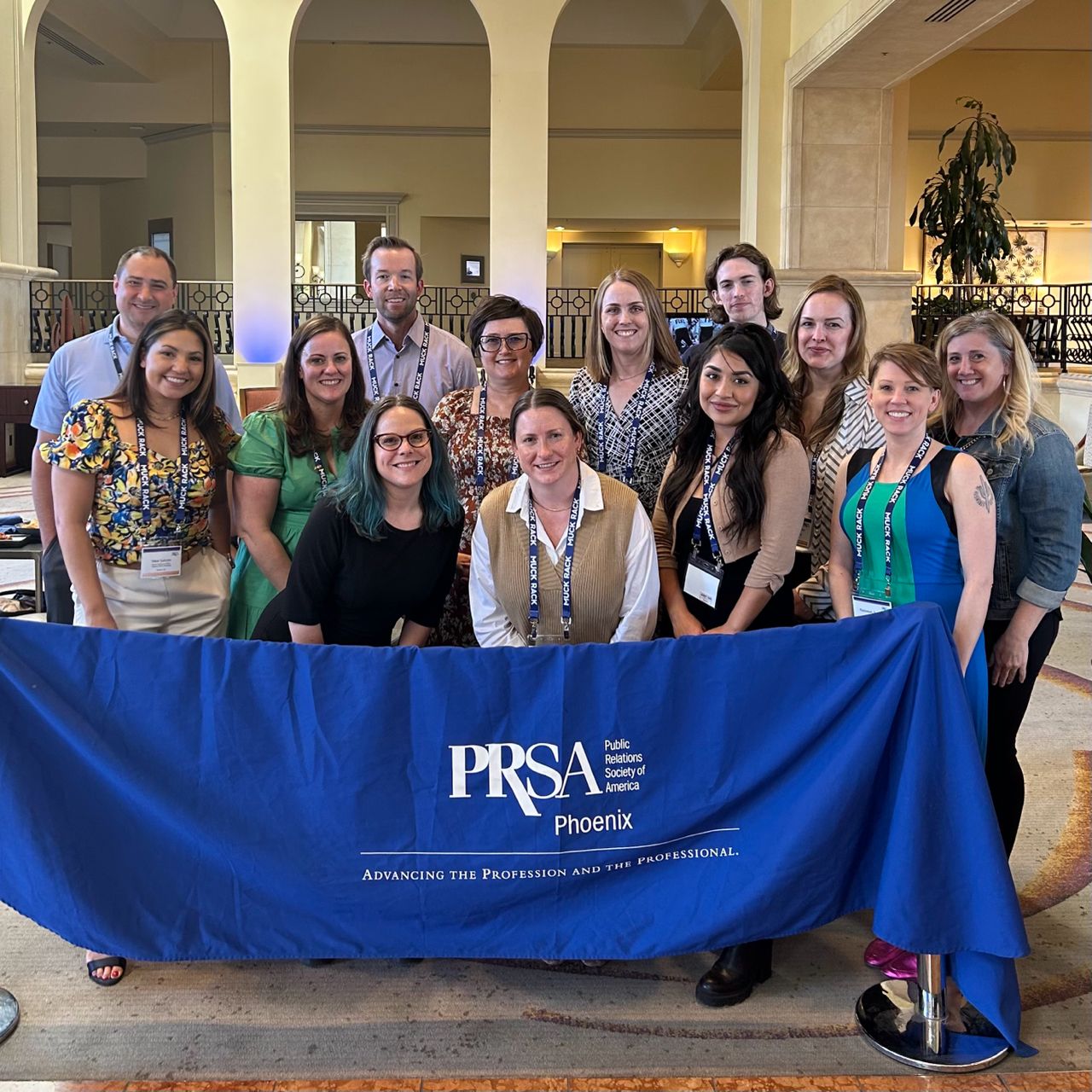
The PRSA Western District Conference is an annual opportunity for public relations professionals from across the West to gather and discuss opportunities, trends, and challenges within the industry. With this year’s event in Tucson, it was just a short trip down I-10 to immerse myself in everything PR for a few days. 

While there were some incredibly impactful and thought-provoking sessions throughout the conference, there are several key points that stick out to me now that I’ve been back to work for a few days. Here are four things that I’ve been thinking about: 

1. AI will have a huge impact, but we aren’t sure how yet

Everyone is talking about ChatGPT and how it will change the public relations industry forever. We all agree there will be a huge impact as we learn how to leverage this new technology, but there are some major warnings to keep in mind. AI can be a useful tool to spark creativity or help with brainstorming, but it should not be trusted to create original written content that is completely factual and free of bias. Public relations professionals should not fear the integration of AI into our daily lives, as its rise will make our jobs as strategic advisors and critical thinkers will become all the more significant for our clients and organizations. If organizations are going to integrate it into their use, however, they should create clear policies to dictate how it should and can be used. 

2. Understanding and checking biases is constant work

As strategic communicators, it is our daily role to ensure that the messages we are distributing and the language we use avoid bias. Everyone has biases, no matter their experience or background, so the first step is understanding and recognizing what biases we may possess ourselves. Then, we must constantly review our own work and messaging to ensure that our biases do not have a negative impact on our intended goals. One tool we learned about was ‘asset framing,’ or defining by assets rather than deficits, problems, or challenges. Additionally, if we aim to communicate with a specific audience or group that we do not belong to or have experience with, it is recommended to reach out to that group to confirm what kind of language they prefer. This can be helpful as language and preferences are constantly changing, so it is always better to get those confirmations than to make assumptions. 

3. Thought leaders are leveraging LinkedIn more and more 

LinkedIn isn’t just for entry-level job seekers. There are millions of senior-level executives in every imaginable industry on the platform. Increasingly, these executives are using LinkedIn more frequently as part of their thought leadership strategy. They use the platform to share news and insights while engaging with their network to solidify their reputation as a thought leader in the industry. If a robust LinkedIn strategy is not part of your thought leadership campaign, it should be! 

4. Measuring the impact of PR continues to be a challenge

All public relations professionals know the challenge of reporting the impact of public relations wins and campaigns. We may secure an amazing earned media feature in a top-tier outlet for our client or organization, but what is the measurable outcome that we can report? The answer seems to be that it depends on what metrics matter most, and what metrics are achievable. There may not be a one-size-fits-all solution, as measuring impact changes from campaign to campaign or client to client based on the underlying goals. It is important to ask: What metrics matter? What metrics/data do we have access to? 

Many things may change but one thing will be true: Public relations professionals are often at the forefront of periods of transition and innovation due to the nature of our roles and responsibilities. Having to create and execute strategic communications around a global pandemic, social justice movements, an up-and-down economy, and so much more has prepared us to be some of the most adaptable and resilient pros out there. Opportunities like the PRSA Western District Conference only help us stay further ahead of the curve so we can deliver the best possible services to our clients and organizations.