From Ghosted to Getting Coverage: My Internship at 10to1PR
Written by Ella Johnson, PR Intern at 10to1PR
My first pitch went nowhere. No response. No acknowledgment. Nothing. I sent it out, checked my inbox, and waited. Still nothing. By the time my internship at 10to1PR came to a close, my last pitch landed multiple opportunities for the client.
That gap between those two moments is the story of my internship and it was never about perfection. It was about growth.
From learning the craft of pitching to stepping into a client lead role, my time at 10to1PR gave me two things that matter most at the start of a PR career: real skills and real opportunity. Together, they built a foundation I never expected to find in an internship.
The Craft of Pitching: Learning It the Hard Way
When I started, I thought a good pitch was a well-written one. I quickly learned it is much more than that.
10to1PR introduced me to Smart Brevity, a framework that teaches you to lead with what matters most in the fewest words possible. The goal is to create a pitch filled with newsworthiness, emphasizing the relevance and uniqueness of the story. Every pitch I wrote became sharper because of it. More importantly, I learned to tailor every pitch to the individual reporter — their beat, their recent stories, and the specific audience they serve. A pitch that works for a local Arizona outlet will not work for a national business publication, and I learned to tell the difference.
One of the most valuable lessons came from the “hit singles, not home runs” mindset. It sounds simple, but it completely changed how I approached my work. Instead of chasing one big feature, I focused on building consistent, meaningful coverage across the right outlets. That steady approach is what eventually led to wins for the clients.
Tracking newsletters was another tool I leaned on throughout the internship. By monitoring what journalists and editors were covering, I could position clients ahead of the news cycle rather than behind it.
Real Clients, Real Growth
Nothing prepares you for PR work quite like diving headfirst into unfamiliar industries. At 10to1PR, I worked across a range of clients that pushed me to learn quickly and think strategically.
AVANA Companies was my first real lesson in patience and adaptability. Private credit is not a world most college students walk into prepared for, and I had to put in the work to understand the industry before I could find the right story angles. It made me a better researcher and a more careful writer.
With the Arizona Office of Economic Opportunity, a workforce development organization and the first state agency I’ve worked with, I developed an appreciation for mission-driven storytelling and local Arizona media. The work felt meaningful, and it sharpened my ability to write for community-focused audiences. We provided OEO’s monthly job reports to Arizona media outlets, showing how this is a reliable source for employment projections and workforce development.
Kolbe Corp became my confidence-builder. This organization focused on workplace productivity and natural strengths through their Kolbe Index. I wrote the majority of my pitches for Kolbe Corp, tapping into trends around artificial intelligence and workplace behavior to find story angles that connected the brand to what journalists were already covering. I shared ideas during meetings and, for the first time, felt like a real contributor to the team.
360 Adventures, a tour guide based company in Arizona, gave me my first experience as a client lead, where I was responsible for managing client communications and pitching the brand at the Publicity Summit. During this event, we had the opportunity to pitch 360 Adventures to reporters face-to-face. I learned to think on my feet and be prepared for follow up questions without skipping a beat.
Yom HaShoah was the first time I served as the sole client lead, and it gave me a new level of ownership over my work and my professional identity.
Opportunities That Changed the Trajectory
The skills I learned in the office mattered, but the opportunities 10to1PR provided outside of it changed the direction of my career.
Attending the Valley Publicity Summit was a turning point. For the first time, I was learning media relations face-to-face — talking to journalists, understanding what they look for in a pitch, and seeing the relationship between a PR professional and a reporter in real time. The ABC15 media panel gave PR professionals the chance to ask reporters questions directly, and I left with a perspective that no classroom had ever given me.
The Copper Anvil Awards put me in a room full of PR professionals who had built careers I admired. The DSV Groundbreaking ceremony taught me what it means to be a PR professional on event day — the preparation, the presence, and the pivots that happen when the cameras are rolling. That experience directly informed how I approached my first client-lead media campaign.
Professional development was built into every layer of the internship. I was introduced to PRSA, which led me to join their mentorship program. I earned four certifications through Muck Rack and attended multiple webinars to sharpen my understanding of the platform. The team also coached me on strengthening my LinkedIn presence, which opened new professional doors along the way.
Monthly Lunch and Learns, team workshops, and collaborative brainstorm sessions made the culture at 10to1PR one where learning never stopped. A 10to1PR team member taught the team about the importance of Research, Planning, Implementation, Evaluation (RPIE) in media campaigns. Utilizing her presentation from the Lunch & Learn, I applied RPIE to my first media campaign. There was also a healthy dose of friendly competition — every time a teammate shouted out a win, it pushed me to work harder for my own clients. The escape room reminded me that the best teams win together.
A Foundation Worth Building On
My biggest takeaways from this internship are patience, adaptability, and the kind of confidence that only comes from actually doing the work.
I came in not knowing how to pitch. I left having secured real media coverage for real clients across industries I had to study to understand. Every pitch I wrote, every client meeting I sat in on, and every opportunity 10to1PR extended to me contributed to what came next.
That foundation led directly to landing a full-time position at another PR firm.
I am grateful for every person on the 10to1PR team who invested in my growth. You gave me more than an internship. You gave me a career.
6,000 Names, One Campaign: What I Learned Leading My First PR Project
Written by Ella Johnson, PR Intern
Some campaigns are about product launches. Some are about grand openings. This one was about honoring lives.
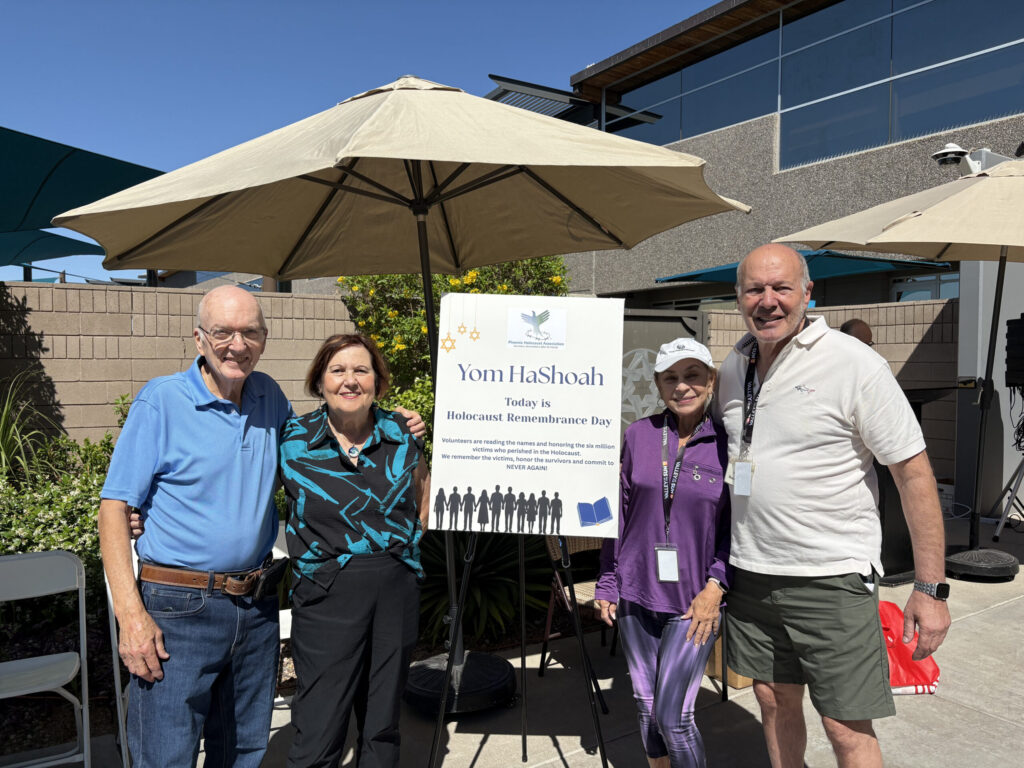
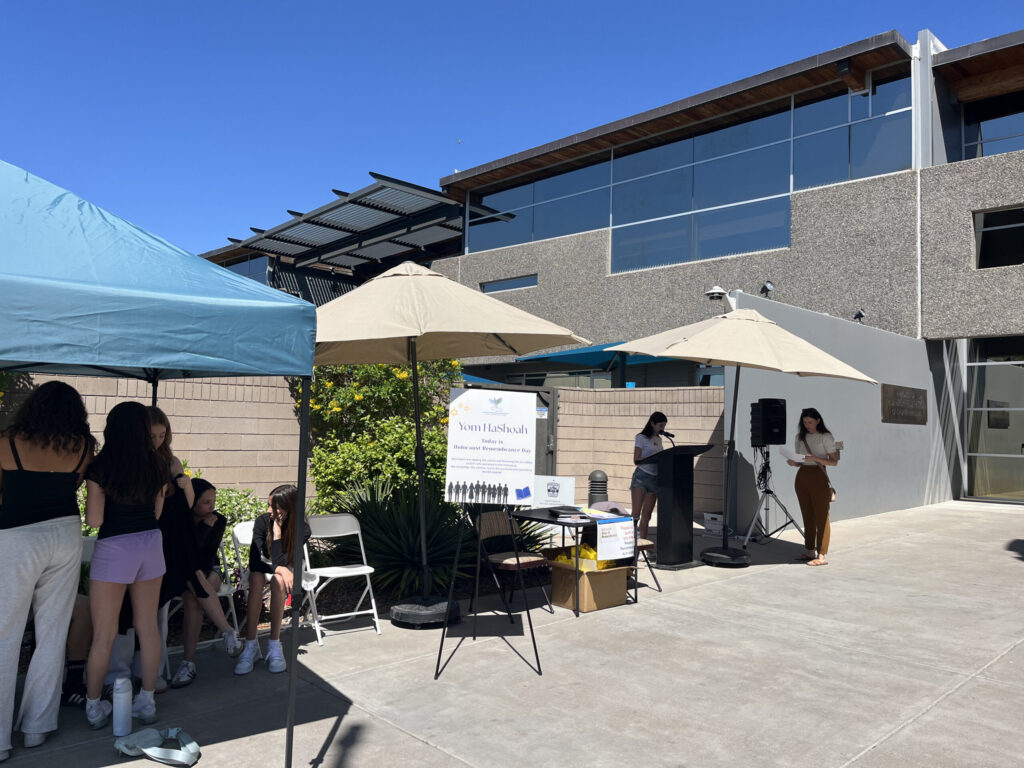
On April 14, 2026, from 8 a.m. to 6 p.m., volunteers gathered around a local community center in Scottsdale to read approximately 6,000 names of Holocaust victims aloud for 10 straight hours. These names represented only one-tenth of 1 percent of the 6 million Jews murdered during the Holocaust. The event was organized by Hana Lange and Frank Lange, with Sheryl Bronkesh, former president of the Phoenix Holocaust Association present to support and engage with the media. The mission was as clear as it was moving: to teach, to remember and to never forget. Helping to turn a statistic into a real person.
As an intern at 10 to 1 Public Relations, I served as client lead for this campaign, with support from other 10to1PR team members. Through this experience, I learned about how to lead a PR campaign from start to finish, client communications and media relations.
Knowing your strengths and constraints
Before any outreach began, the team conducted a SWOT analysis to understand what we were working with. This entails looking at this campaign’s strengths, weaknesses, opportunities, and threats.
Strengths
The strengths included strong community involvement, including middle schoolers from the nearby school. They read the names of the children who lost their lives, educating younger generations about the severity of the Holocaust.
During the event they read approximately 6,000 names which represents only 1/10 of 1% of Jews murdered in the Holocaust. This statistic was impactful and showcased the severity of this tragedy. Certain reporters lean toward stories that incorporate statistics into their pitch. Other reporters appreciate the human element and family engagement within a story. Part of the event was the event volunteers read names of their own family members who perished, giving them back their voice and recognition.
The name-reading event had elements of statistics and community involvement strengthening its chances of securing coverage.
Weaknesses
In recent events, synagogues and Jewish affiliations have been attacked, creating safety concerns for the name-reading event. For this reason, we asked the media to agree to an embargo until after the event had concluded. This was considered a weakness because we could not reveal the location of the event to the media. I had to find ways to work around the security concerns and needed the media to understand why certain information could not be exposed.
Opportunities
This is where researching opportunities comes into play. Sentimental interviews with the organizers and the former president of the Phoenix Holocaust Association, both of whom had parents who survived the Holocaust. This gave us compelling human interest stories to pitch reporters.
Another opportunity that started out as a weakness was the middle schoolers’ participation in the reading. At first, the event organizers were concerned about the sensitivities around having kids on-camera and getting their parents’ permission. However, we saw this as a great visual opportunity that shows how the event educates the younger generation about the Holocaust, in real time. To turn this visual option into a reality, we worked with the school to have the kids’ parents sign media waivers ahead of the event, ensuring we had the right permissions and could include the students in the story.
Threats
The last step is understanding the gravity of the threats in our SWOT analysis. In this instance, the main threat was the possibility of protests, disruptions or even attacks during the reading. As the client lead it was my job to validate the client’s concerns.To alleviate this threat, we directly established the importance of the embargo to the media. I also kept consistent communication with the client via email, phone call, and text. Understanding the client’s concerns and addressing them head on showed him that I am reliable and proactive.
Putting RPIE to Work
Every successful PR campaign follows the RPIE model: research, plan, implement and evaluate.
Research
Research started weeks before the event, learning the history and significance of the event. In my research stage, I learned about the ceremonies performed on Holocaust Remembrance Day, the lighting of the yellow candles, the alarms, and hosting Holocaust survivors to share their stories. Utilizing a quick google search is a great start, but having a conversation with the organizers deepened the core message and led to the planning stage of the process.
During this conversation, I learned that the number of names they will read represents only a small fraction of those who died in the Holocaust. We ended up using this statistic as a compelling hook for our pitches.
Hearing the client’s story and their connection to the event helped me understand the gravity of the name-reading event.
Planning
The planning stage is where the strategy takes shape. Using the research gathered, we identify target audiences and map out the tactics we use to reach them. This includes building a media outreach calendar, coordinating a pre-event site visit and drafting materials such as pitches, follow up emails, media alert, and the post-event press release. We drafted those in advance so approvals would not delay execution. The team also built a targeted media list focused on television and digital reporters whose beats aligned with the community and education story at the heart of this campaign.
Figuring out the distribution schedule was essential to securing coverage. The pitches were sent first to grab the reporter’s attention, next was distributing the media alert, acting as a reminder. The last step is releasing the post-event press release a few days before the event which gave the media outlets all of their essential information.
As part of the planning process, the team visited the venue with the organizers to get a walk-through demonstration of the event.
Implementation
The implementation stage utilizes the materials created from the planning stage; pitches, pre-event media alert and the post-event press release. I followed the media outreach calendar sending the pitches and media alerts to reporters.
One of the tactics used was TV cold calls to television newsdesks; scripts are helpful for explaining the purpose of the call. Consistency is key, continue to follow up with reporters, and show why they need to cover this story.
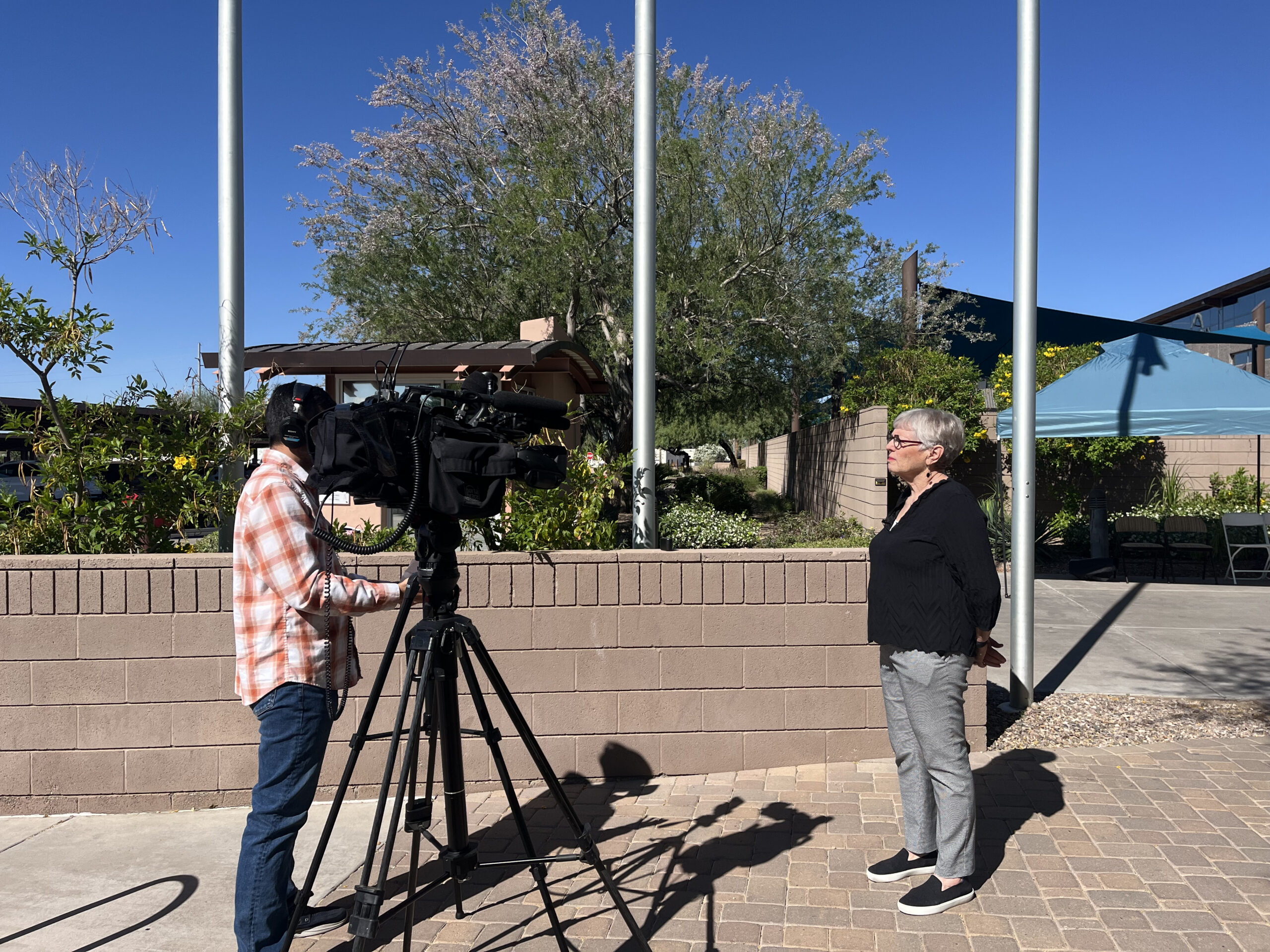
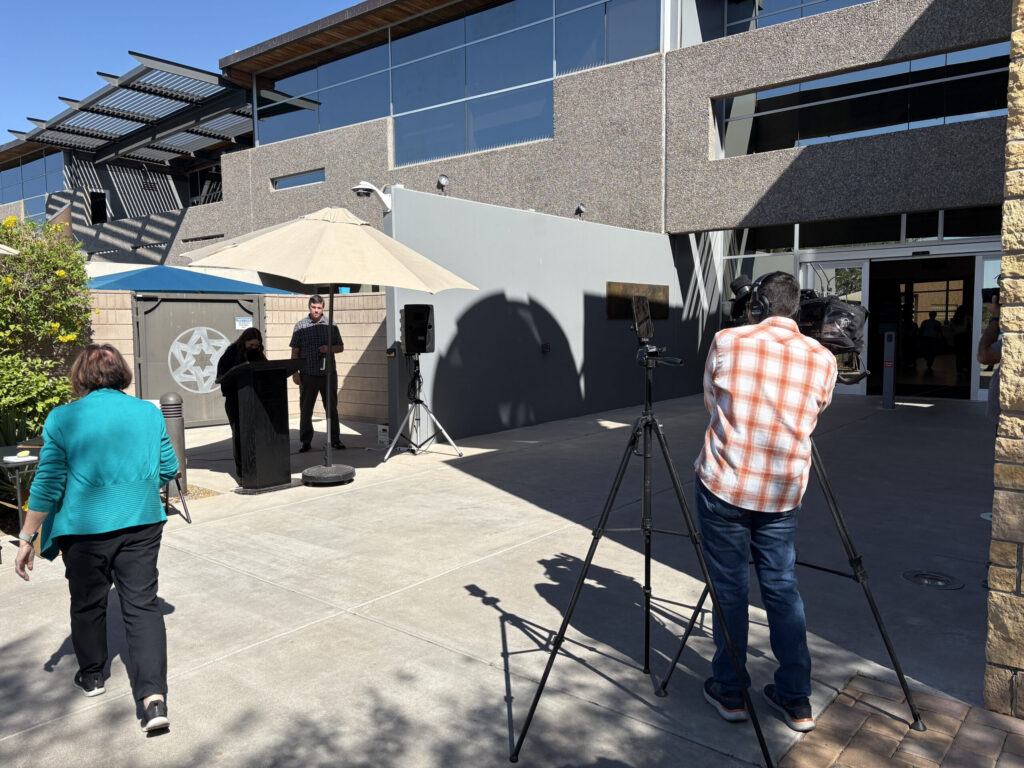
On the day-of I emailed and called TV newsdesks as a final reminder of the event. Interviewing the organizer and the former president of the Phoenix Holocaust Association separately from the press, collecting visuals, and distributing the media alert and press release made it easier for reporters.
For post-event distribution, I sent the post-event press release alongside visuals and interviews to reporters and their newsdesks. Continued to follow up after the event concluded and pitched the press release to other digital outlets.
Evaluation
The evaluation phase included reporting out our campaign’s results and reflecting on what worked well and areas for improvement for the next campaign.
As for results, I secured coverage from 12News, Jewish News of Greater Phoenix, Signals AZ, Times Media Group, and interest from ABC15.
The evaluation also confirmed what worked in the media campaign. From my perspective TV cold calls and emailing the newsdesks were the most effective tactic. Following up on multiple occasions and collecting essential information such as interviews, quotes, visuals, and b-roll footage for reporters helped with the success of the campaign.
By putting RPIE to work I secured coverage and instilled trust with my client and reporters.
What I learned about Client Communications
Before this event, I was used to being the one getting CC’d on client emails, but for this campaign, I was the client lead and point of contact. Working with the clients taught me that effective communication begins before the first pitch is written. Ask what their preferred way to communicate is — phone, email, or text. This eliminates any miscommunication or confusion. For this client, phone calls were the most effective as we could get direct answers and communicate openly.
Throughout this internship, I have surrounded myself with people who understand PR “lingo” such as a media alert, press release, and the overall process of media relations. By talking with the client, I learned the need to set clear expectations about how media and PR work. Describing the reality about the relationship between PR professionals and the media helped set expectations for the client. A team member at 10to1PR taught me that media relations can be compared to a one-sided friendship sometimes. In which a PR pro will initiate communication first and propose an event, hoping the media will prioritize your event.
Clients care deeply about what they put out into the world. Approvals for the media alert, press release, and visuals took time, not because anyone was difficult, but because this event meant everything to the people who organized it. Understanding that changed how I received feedback. My role was to reduce their stress, accept their direction and help make their vision shine.
What I learned about Media Relations
Reporters receive hundreds of pitches, which means picking the right reporters to pitch matters just as much as writing the pitch itself.
An investigative reporter or a sports journalist will not cover a name-reading ceremony. A community or education reporter will at least open the email if the subject line is right. Targeting the right journalists is step one.The next step is to find two angles that matter most and pitch them with confidence.
I found that the two angles that broke through were the statistics about the 6,000 names read, which represented only one-tenth of 1 percent of the lives lost and the b-roll footage of middle schoolers reading the names of children who perished. Once the angles have been established, it’s time to write the perfect pitch.
The perfect pitch differs for TV reporters compared to digital reporters. For instance when pitching a TV reporter they gravitate towards available visuals to capture their b-roll footage. When pitching to digital reporters focus on interview opportunities, this way they can collect quotes from your interviewee. Both pitches should include a hook, why this matters, and the two angles.
The next step is consistent follow-up and, no, you are not being annoying, you are doing your job. News is constantly changing and priorities change. I learned that nothing is confirmed until the day of the event, and the news cycle changes by the hour. There could be breaking news at the exact time the event starts.
Demonstrating adaptability shows your client and the media that you are a reliable source and a PR professional. That morning, I was still calling TV stations confirming arrival and sent out the last follow up emails before arriving at the site. Once the 12News camera person arrived, priorities shifted to getting them acquainted with the event. In this instance, it was connecting the former President of the Phoenix Holocaust Association and the reporter waiting to interview her.
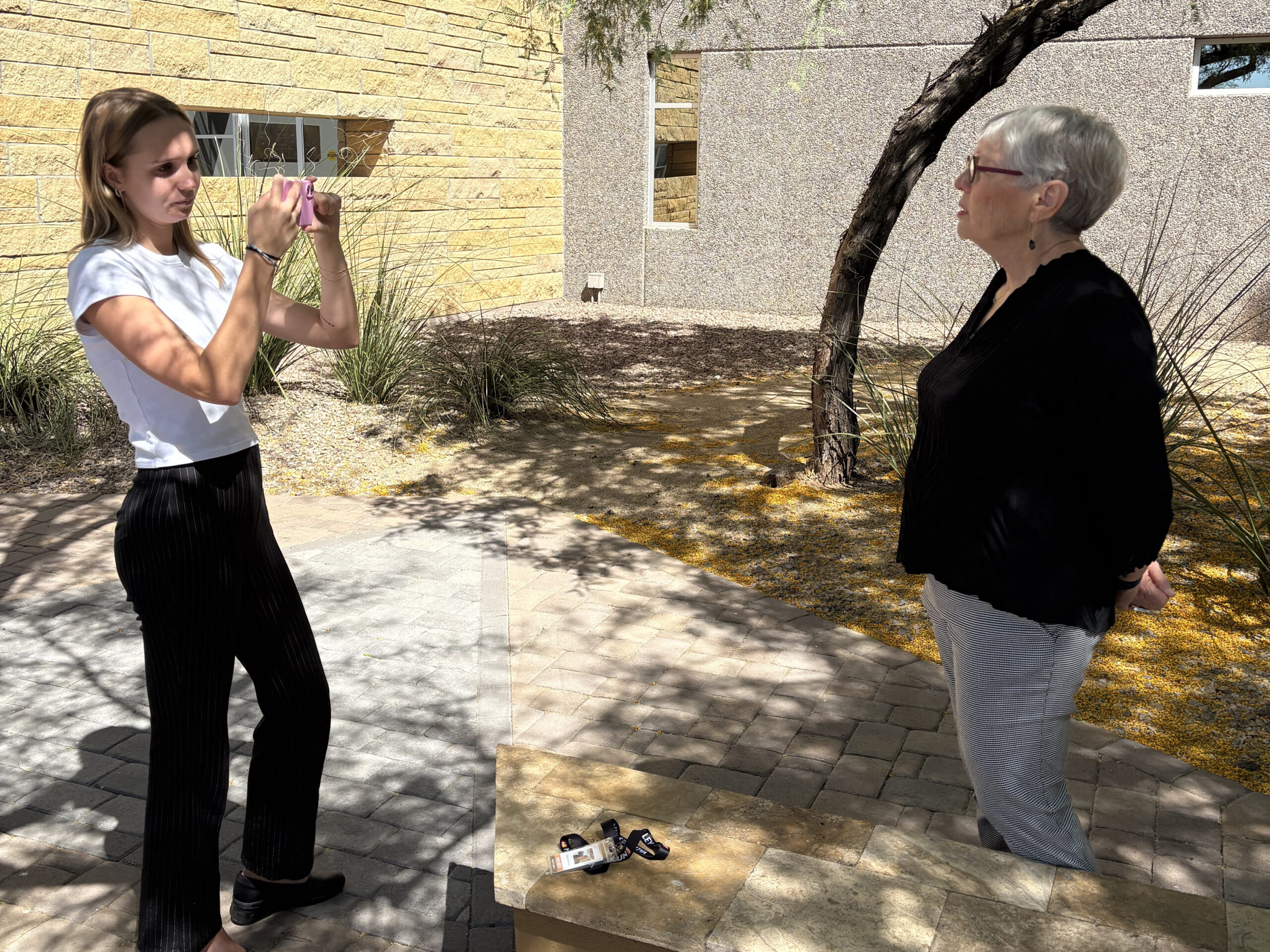
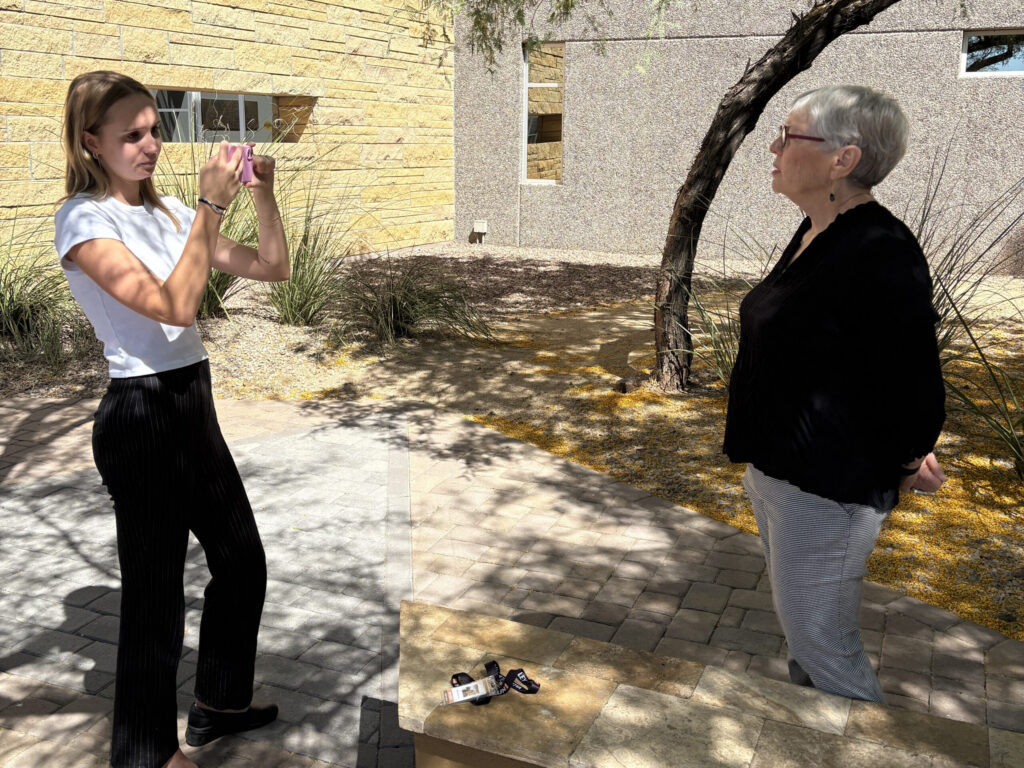
As the event proceeded, I captured my own visuals, conducted interviews, and gathered quotes to distribute afterward. This is ideal for reporters who are unable to attend the event in person. Stepping into the role of a one-person production team when the story demands it.
What I learned about myself
During the process, I learned what I can control and what I cannot control. I cannot control whether a reporter shows up, but I can control my actions to get them to show up. Picking the right media targets and tailoring my pitches to reporters ensures I’m doing what I can to make the event interesting and newsworthy for them personally. I can also control my demeanor and preparation for the arrival of reporters. I am a helping hand for the client and the media to connect with one another.
I also learned TV cold calls are not as scary as I anticipated. A clear script and two strong angles are enough to hold a conversation and spread the word about an upcoming event. The most important lesson from this campaign: When I am calm, my client is calm. That is not a small thing.
It is important to show your support at the event you’re covering. By listening to the names read, I felt the realness and tragedy of the lives lost. This event is emotional for the community and the client. I learned that emotional support, even if it’s silent, demonstrates that this is not a transactional relationship, but one of support and caring about telling the story the way they want it told..
What I Will Apply to My Next Campaign
For future campaigns involving embargoed media or location privacy, I want to connect directly with venue leadership weeks before the event to ensure everyone is aligned before cameras arrive. It is better to over communicate then have someone left in the dark.
I want to also implement spokesperson preparation into every campaign plan as a required step. Some people are confident and composed in front of a camera, ready to relay their story. That is not always the case, and preparing talking points can be the difference between a good interview and a great one. Setting up a dedicated practice session ahead of an interview can bring the entire experience to a new level for the spokesperson and for the story.
Every one of those lessons traces back to the weight of what this campaign represented.
Six thousand names were read aloud on April 14, 2026. Each one represented a life. Each one deserved to be remembered. Helping ensure the world heard them is the kind of work that puts everything into perspective. That responsibility will shape every campaign I take on from here.
By Romi Blackstone, 10to1PR PR Intern, Summer 2025
My name is Romi Blackstone, and this summer I had the incredible opportunity to serve as an intern at 10to1PR!
I’m currently a Strategic and Corporate Communication major with a minor in Public Relations at Chapman University. My internship at 10to1PR allowed me to apply the skills and knowledge I’ve gained in the classroom to real-world situations, while also learning new tools that have prepared me for a future career in PR.
From the very beginning, I was introduced to Smart Brevity—a writing style that emphasizes clarity, brevity, and impact. I used this approach in press releases, pitches, and a variety of other client communications. I also received hands-on training in Muck Rack, where I learned how to effectively monitor media coverage, identify relevant journalists, and craft targeted pitches. These foundational tools shaped the rest of my experience at 10to1PR.
After onboarding, I was placed on three different client accounts, each in a unique industry. One that stood out the most to me was the Arizona Builders Alliance, a leading trade association for contractors in Arizona. Each year, they host a backpack drive to collect donations and distribute school supplies to underprivileged children. Under the guidance of the client lead and the rest of the 10to1PR team, I had the opportunity to write media pitches for the backpack distribution, tailoring each one to specific outlets and audiences. Additionally, I created media lists to distribute the pitches to education and nonprofit journalists. It was incredibly rewarding to help promote a meaningful cause while learning how to craft compelling, audience-specific angles. The backpack distribution was the first PR event I have been to, and I enjoyed seeing all of the team’s hard work come together! At the distribution, I collected photos and videos to send out post-event. The Phoenix Independent and Construction Citizen picked up the story and even included one of the pictures I took! Lastly, I had a hand in writing the post-event press release. Writing the post-event press release helped me recognize the impact our PR efforts had on the success of the backpack drive. It also showed me how our work contributed to the overall growth and visibility of the ABA and the impact the organization has on the local community.
Another project I took on was filming, editing, and publishing a video for the 10to1PR Instagram account. I was eager to gain more experience in social media and had a few ideas for how 10to1PR could continue building its online presence. I created an interview-style video featuring team members for the 10to1PR Instagram. This was a great learning experience, as it was the first time both the team and I explored this style of content. In the future, I would only edit the video on one social platform, versus the three editing apps I used. I would try to make the video less formal, and more fun. I walked away with valuable insights that I’ll carry with me when creating social media content going forward.
10toPR consistently provided both me and the other intern with opportunities to strengthen our PR knowledge and skills. We attended weekly PRSA webinars, as well as team meetings called “Lunch and Learns,” where we explored a wide range of topics—from writing effective pitches and connecting with journalists to navigating crisis communication. A “Lunch and Learn” that most stands out is “How to reuse content” where we talked about how we can use the same information in different ways. I learned how to effectively reuse content in social media posts, byline articles, Q&A’s and press releases. Throughout the internship, we were always encouraged to share ideas, ask questions, and actively participate in discussions.
Overall I am so thankful for all of the support and guidance from my manager, Rachael Clifford, as well as the rest of the 10toPR Team! As I go into my last two years at college, I will start to apply the tools I learned at 10to1PR, such as smart brevity, to all communication efforts in the classroom, and out of the classroom. I now have the tools to understand a journalist’s and/or clients perspective when working on projects at school and/or at work. My goal after graduating is to work at a big PR firm, in either Chicago or New York. I want to continue exploring various sectors in PR, such as B2C. My experience at 10to1PR was invaluable and has helped shape the rest of my career.
As a summer intern at 10to1PR, this role expanded my understanding of the public relations field and provided guidance for my professional career as a public relations pro. 10to1PR offered countless hands-on experiences, I’ve been able to gain relevant technical skills and build upon my learning. While my academic courses set the basis for what to know about public relations, my time at 10to1PR provided me with firsthand industry experiences.
During my Junior year at Northern Arizona University, I was motivated to do additional coursework, such as drafting press releases and pitching. This drive to gain more practice led me to apply for the internship at 10to1PR. During the first few weeks of onboarding, I knew that my duration here would enrich my need to learn more about this industry through drafting pitches, performing media monitoring, and supporting client teams.
Starting at 10to1PR, I was assigned to various teams and helped with supporting their clients. Collaborating with these public relations professionals has contributed to my ever-growing skill set. While my academic courses laid out the foundation of what press releases are and how to manage media relations, this internship presented the true-to-life process of their teachings.
One of the most memorable experiences for me during the course of my internship was being invited to a media event for a team’s client. Family Promise of Greater Phoenix, a 10to1PR client, received a $150,000 Donation from a construction company to support Family Promise’s Emergency Shelter Program. With the client team inviting various local media to attend the check presentation ceremony, Arizona’s Family (Channel 3/5) and 12News (Channel 12) came to document this special event. The media event was a great angle for the story since it was able to perfectly capture the moment and the people involved in way this story is so worthy of reaching an audience. I was able to learn about procedures and etiquette conducted during these events, such as where to stand and how to correspond with media outlet figures such as camera men.
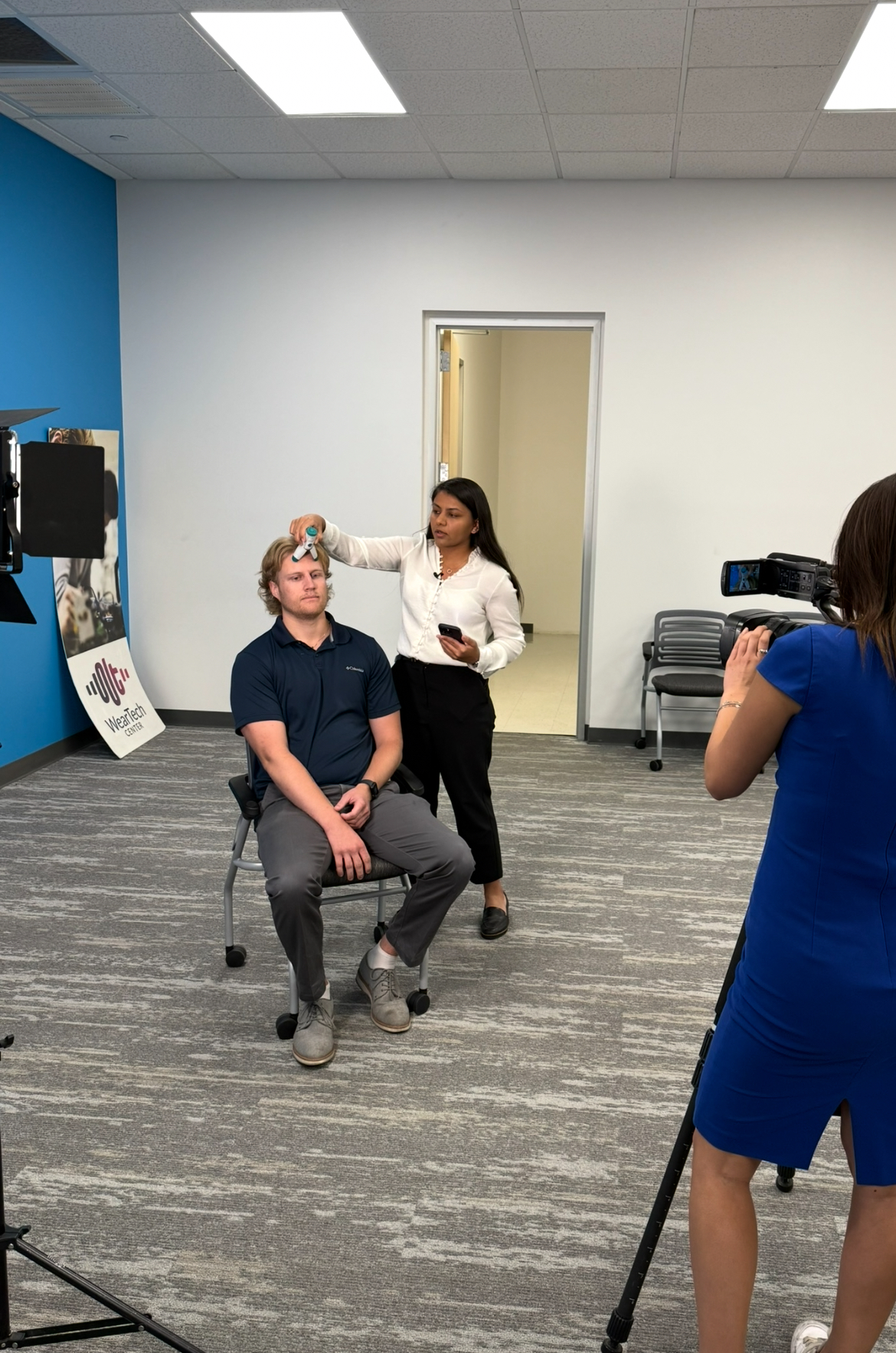
In addition to the Family Promise media event, one of my client team at 10to1PR was CDCA-WREB-CITA (CWC), an agency which focuses on dental licensure examination standards, was featured on a podcast with one of their spokespersons. I was a bit in the dark when it came to podcast interview procedures but thanks to my teammates, I was able to shadow them and learn the behind the scenes operation with talking points and media training.
Another standout experience during my internship was being able to attend the PRSA Phoenix Midyear Mixer. I have had limited experiences networking with other industry professionals, besides my professors, so this mixer provided me with the opportunity to connect with a variety of PR pros. At this event, I was able to converse with professionals working B2B, B2C, and even B2G, and receivel of their career insights deepened my perspective of where I wanted to head as an upcoming public relations graduate. The PRSA Mixer broadened my professional circle, connected better to my team members, and provided support being new into the field.
Being an intern for 10to1PR will always be a cornerstone in my journey of becoming a public relations professional. 10to1PR instills fundamental practices such as media relations, monitoring, with PR writing for any professional through their specialized guidance, career development, and team members.
Confidence and Career Growth: My Intern Experience at 10to1PR
Written byKyle McCartney, Spring 2025 PR Intern at 10to1PR
My experience at 10 to 1 Public Relations impacted me in countless positive ways. I came into this internship with a background in sports journalism, social media and content creation. I spent a semester with the Cronkite Agency executing PR campaigns, but as this internship showed me, I didn’t fully understand the ins and outs of PR agency life.
A rigorous onboarding program quickly equipped me with the tools I needed to contribute to 10to1PR’s efforts. I learned about our unique approach to media outreach, press release writing, internal communications, client relations and more.
Once onboarding was complete, I hit the ground running, as I was assigned to four clients from a variety of industries. This allowed me to learn how to quickly become familiar with industries I was fairly new to and how to align PR messaging with a company’s mission and goals. Every client was different, and each had unique challenges that required me to utilize a variety of skills.
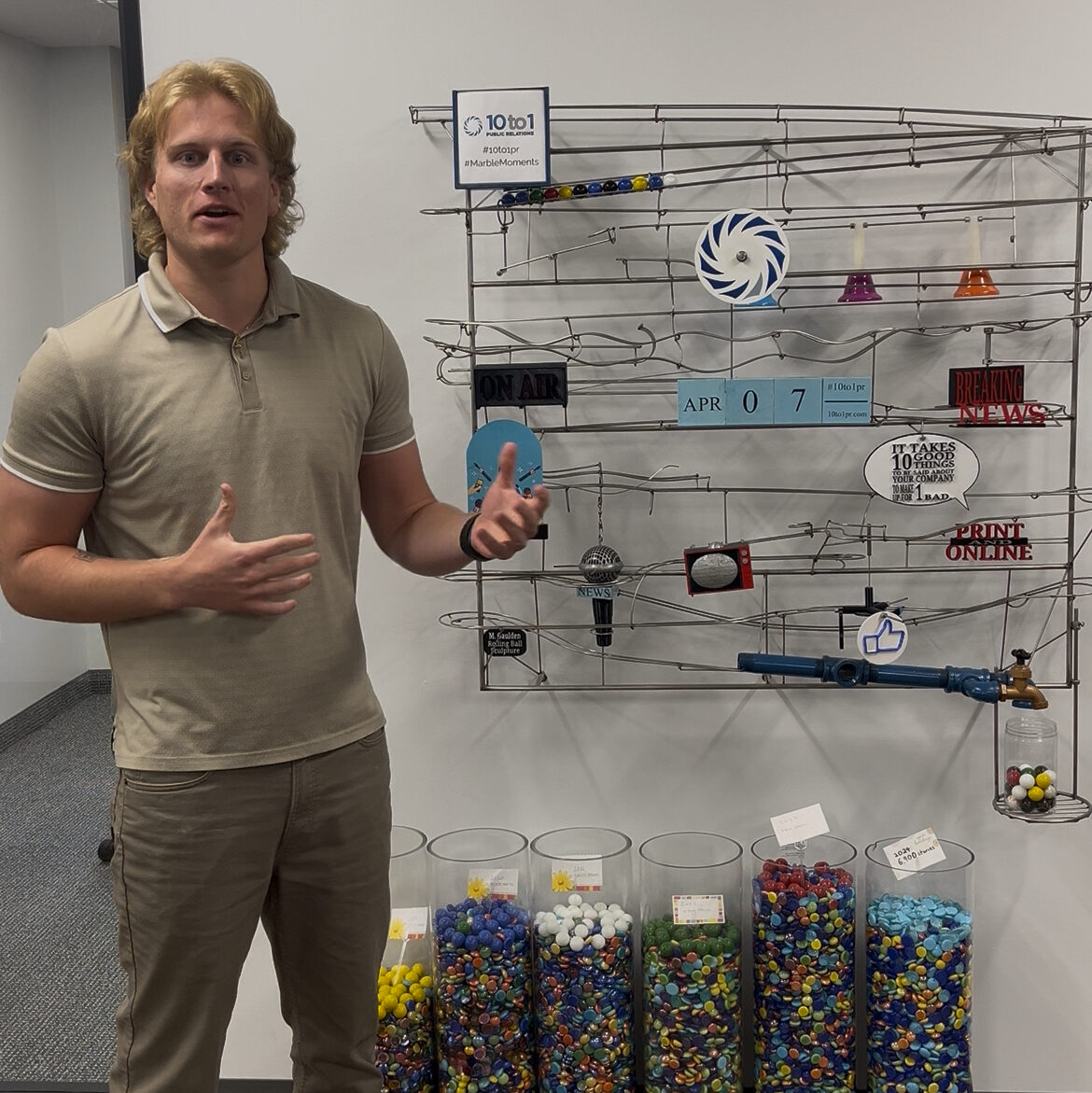
Kyle sharing 10to1PR’s monthly wins with the marble run
One of the most unique and beneficial aspects of this internship was the opportunity to be assigned a client as an “intern project,” in which I, along with another intern, acted as the client lead. This client was a nonprofit called Serve the Future, which provides tennis lessons and life coaching to underserved students in Phoenix. I built a great relationship with the main client contacts and am proud of the work done to secure media coverage for an organization that has an amazing community impact.
For the larger clients I wasn’t directly leading, I learned how to successfully coordinate meetings, execute media training, brainstorm ideas for PR opportunities and collaborate as a team on larger campaigns. I never felt like I was being assigned cliché “intern work” that didn’t serve a larger purpose. All client work had a clear goal in mind and allowed me to truly contribute to some of the agency’s top clients.
The professional development tools put in place for interns and coordinators were extremely helpful. For example, the team often hosted “lunch and learns,” where the experienced PR professionals of 10to1PR shared advice on both career growth and PR strategy. One session that stood out was an hour-long discussion in which those who had been promoted within the organization provided tips on “leveling up” in the workplace and held an open Q&A. As a soon-to-be graduate entering into full-time work, this was a great reminder to avoid complacency and always look for ways to contribute beyond daily tasks.
As my internship with 10to1PR ends, I am filled with gratitude for the people who provided guidance, set leadership examples and took a genuine interest in my growth. I leave with exponentially increased confidence in my PR skills, career skills and personal goals. I’m excited to watch the next interns at 10to1PR have similar experiences and grow as PR professionals!
Attention Students: We’re Launching a PR Internship!
Are you passionate about storytelling and eager to dive into the dynamic world of public relations? 10 to 1 Public Relations, an award-winning PR firm, is thrilled to announce the launch of our new in-person PR Internship Program. This program is your gateway to gaining invaluable hands-on experience at the forefront of the PR industry.
Applications for our Fall Internship Program are now open, those details are below:
10 to 1 Public Relations: In-Person PR Intern Job Description
About 10 to 1 PR
Are you someone who likes to tell stories? Do you want to develop your talent while making an immediate impact as part of a team? Interested in gaining experience working at an award winning PR firm? Then we want you on the 10 to 1 Public Relations team!
10 to 1 Public Relations is a traditional PR firm that works with interesting and diverse business-to-business focused clients from across the globe. We have a “No Jerks” policy which refers to both co-workers and clients and we believe in a “no drama” office.
We are seeking a part-time, public relations intern to help our clients share their stories and achieve their public relations goals. Some of our work includes:
Media relations such as writing press releases, articles and pitching reporters and influencers (local, national and trade) and securing media placements (online, print, TV & radio)
New market and/or new product related media launches
Growing client recognition through award nominations and speaker submissions
You’ll be part of a team expected to play an important role in it all; involved in client-facing tasks, strategy creation, and implementation duties. Ultimately, you’ll gain real experience and be an important part of helping our team achieve the client’s stated goals, meaning you must:
Be able to prioritize, organize and manage multiple tasks at the same time
Have strong interpersonal skills to communicate with clients and journalists as well as collaborate with team members
Be an excellent writer
Enjoy telling stories
Summary:
A PR Intern at 10 to 1 Public Relations is a junior or senior college student in the PR field. This role is focused on gaining practical experience through hands-on work in public relations. The intern will support client teams, perform media monitoring, conduct client research, assist with administrative tasks, and work on a portfolio project. The ideal candidate should demonstrate strong writing, organizational, and research skills, and show a desire to learn about the PR industry.
For ASU students this internship would fulfill the requirements of JMC484, MCO484, MCO584 and MCO294.
Duration/Compensation/Logistics:
The internship lasts for an academic semester (start week of Sept 3, end date week of Dec 9).
The position is part-time, with a guarantee of 20 hours per week.
The pay is hourly at $16 per hour.
The weekly schedule is flexible around the intern’s class schedule, but work must be performed between the hours 9 a.m. to 5 p.m.
The intern is expected to maintain a consistent schedule throughout the program’s duration.
The intern is expected to be present for the entirety of the program, except the week of Thanksgiving when scheduling can be flexible to accommodate for travel schedules and hourly pay may be adjusted accordingly that week.
Internship is work from office 100% of the time. Remote work is not an option.
The intern is expected to provide their own transportation.
There may be an opportunity to extend the program or receive a full-time job offer, dependent on performance and need.
Competencies:
The PR Intern will be expected to develop the following competencies:
Engagement: Actively participate in team and client activities.
Proactiveness: Take initiative in tasks and responsibilities.
Ownership: Demonstrate responsibility for assigned tasks.
Passion: Show enthusiasm for public relations and learning.
Problem-Solving: Identify and address challenges effectively.
Critical Thinking: Apply analytical skills to tasks and projects.
Learning: Continuously seek to improve knowledge and skills.
Teamwork: Collaborate effectively with team members.
Timeliness: Manage time effectively and meet deadlines.
Responsibilities:
Client Relations:
Develop a thorough understanding of clients’ industries, business goals, target audiences, and challenges.
Support client meetings by taking detailed notes and observing client interactions.
Alert client leads and management to potential issues before they escalate.
Team Engagement:
Actively participate in internal team meetings and collaborate with team members.
Master and effectively use the team project management platform (Basecamp).
Deliver high-quality work on time, ensuring it meets company and client standards.
Document time spent on client and company projects daily using the time management system (Clockify).
Campaign Support:
Assist in the ideation and planning processes for PR campaigns.
Contribute new ideas that enhance campaign success.
Stay informed on news relevant to clients, including consumer media, business news, and industry-specific updates.
Support the execution of client campaigns as assigned by client leaders.
Manage assigned responsibilities, address challenges, and ensure campaign goals are met.
Draft and create PR materials as assigned.
Monitor media features using tools like Muck Rack and Google search; update media reports as requested.
Develop a strong foundation in media relations, including researching relevant media contacts and building media outreach lists.
Master the media relations platform (Muck Rack) and use it according to company standards.
Review daily media requests from sources like Qwoted, SOS, and other tools to identify opportunities and notify client managers.
Accountabilities/Relationships:
Reporting:
Report directly to the Internship Program Manager.
Report to the assigned client lead for specific tasks and assignments.
Communicate client and team successes and challenges to the Management Team.
Feedback and Performance:
Receive regular feedback from Internship Program Manager.
Receive 30-day, half-way point and end of program performance reviews.