
6,000 Names, One Campaign: What I Learned Leading My First PR Project
Written by Ella Johnson, PR Intern
Some campaigns are about product launches. Some are about grand openings. This one was about honoring lives.
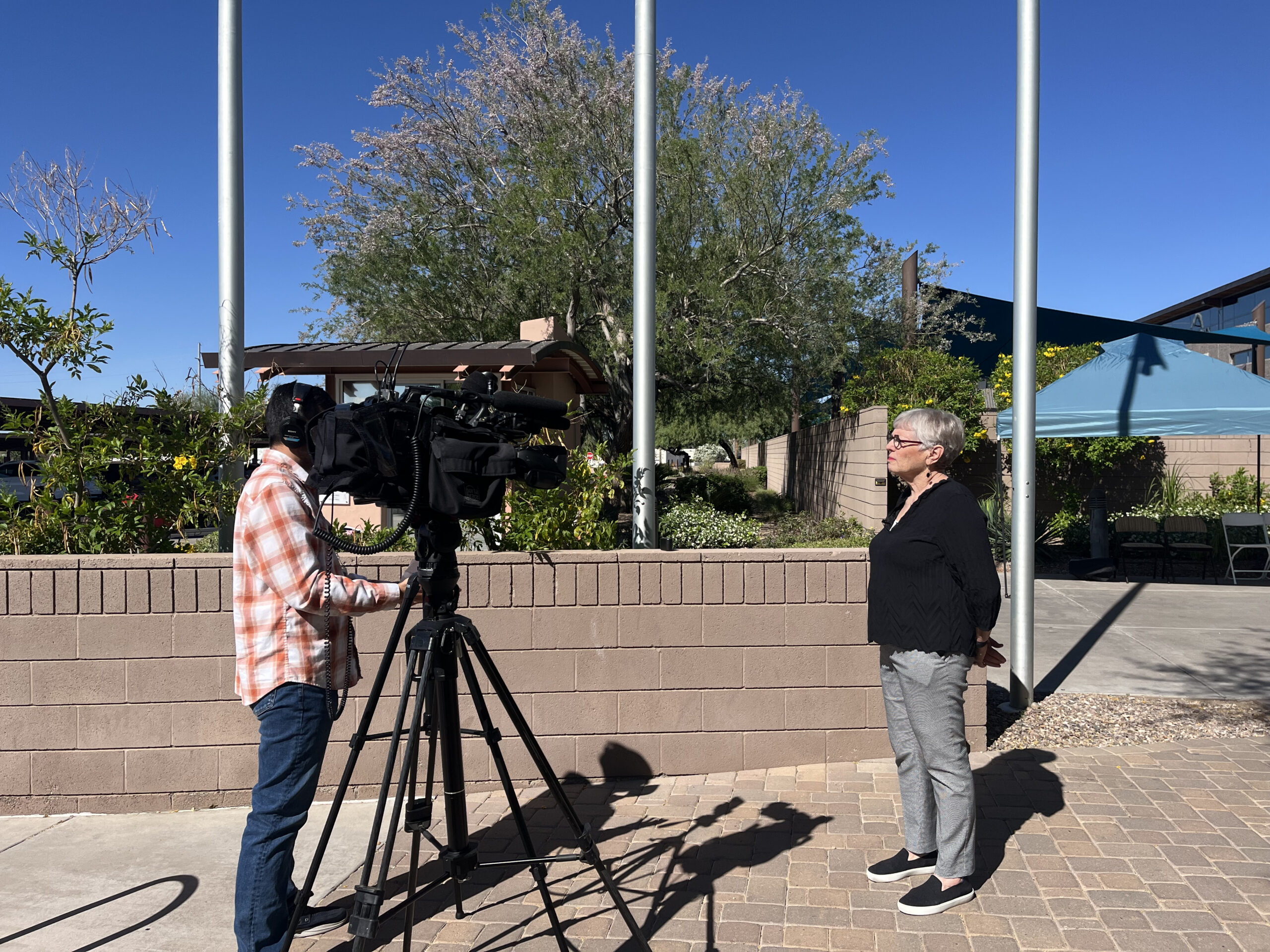
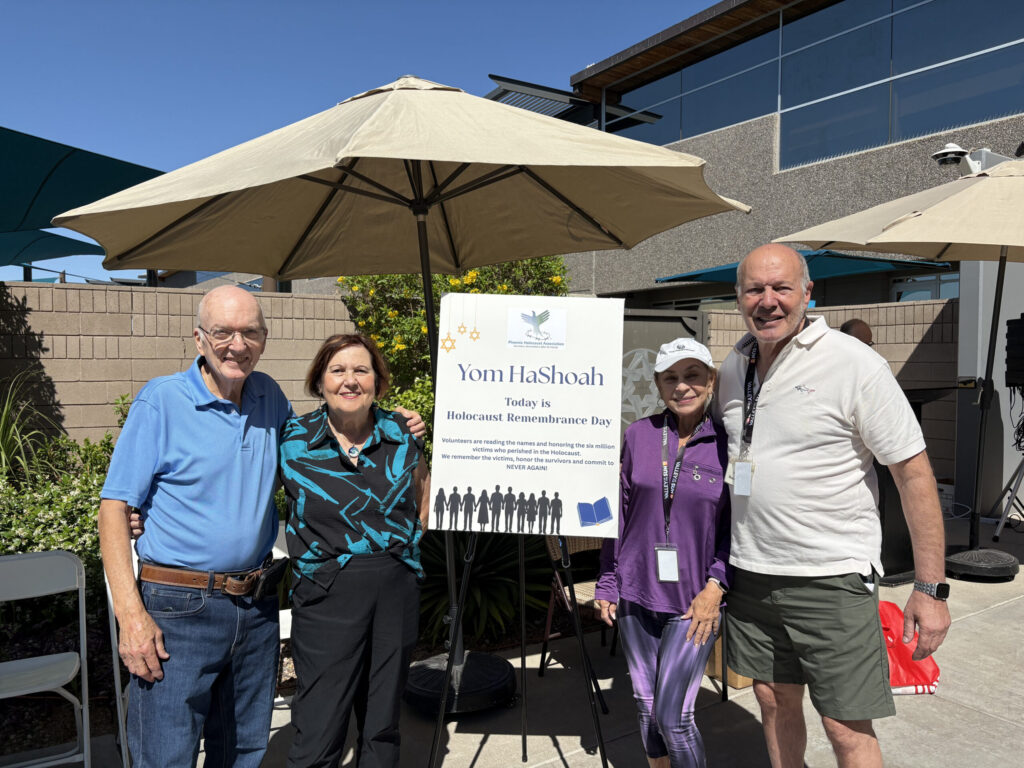
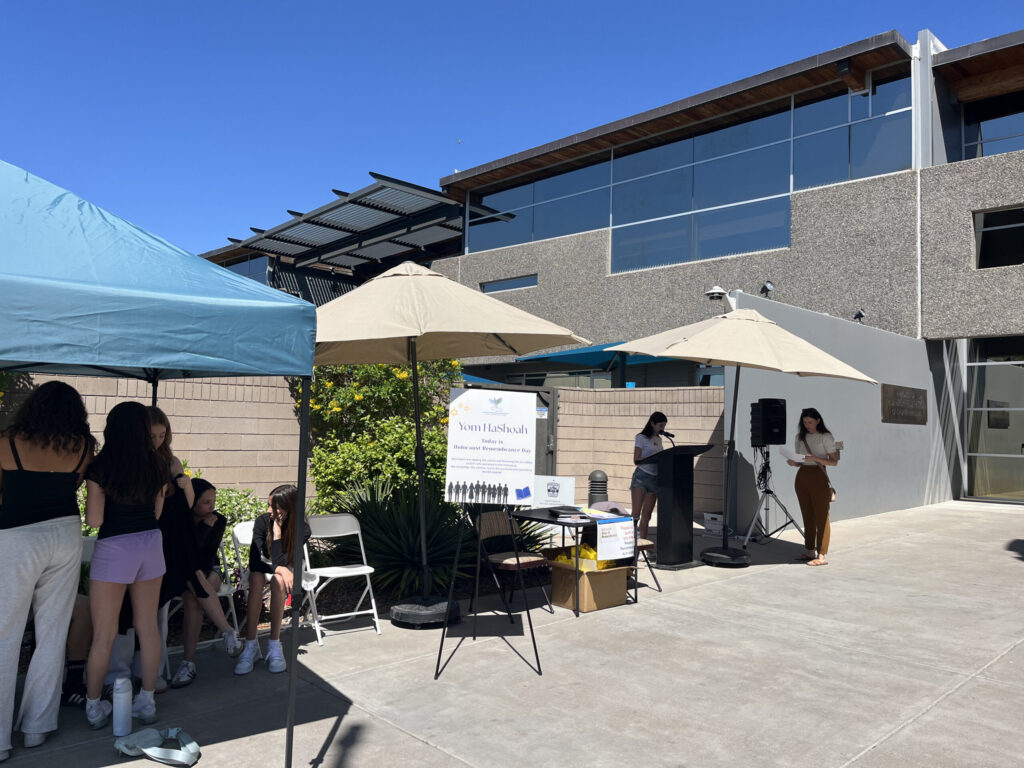
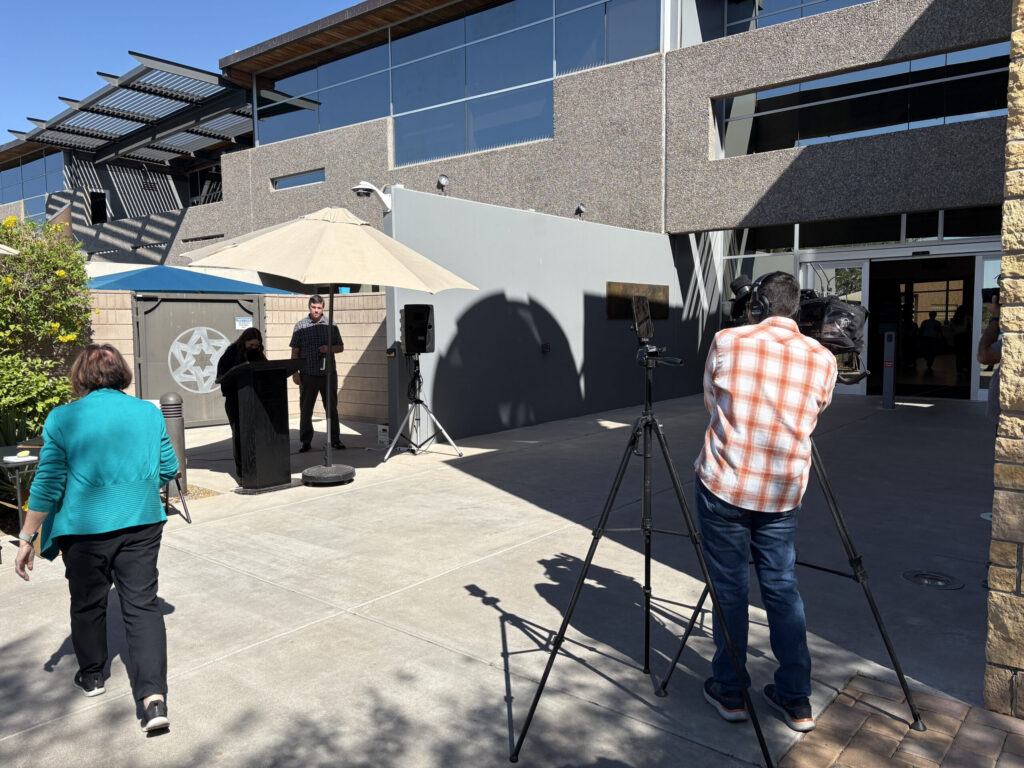
On April 14, 2026, from 8 a.m. to 6 p.m., volunteers gathered around a local community center in Scottsdale to read approximately 6,000 names of Holocaust victims aloud for 10 straight hours. These names represented only one-tenth of 1 percent of the 6 million Jews murdered during the Holocaust. The event was organized by Hana Lange and Frank Lange, with Sheryl Bronkesh, former president of the Phoenix Holocaust Association present to support and engage with the media. The mission was as clear as it was moving: to teach, to remember and to never forget. Helping to turn a statistic into a real person.
As an intern at 10 to 1 Public Relations, I served as client lead for this campaign, with support from other 10to1PR team members. Through this experience, I learned about how to lead a PR campaign from start to finish, client communications and media relations.
Knowing your strengths and constraints
Before any outreach began, the team conducted a SWOT analysis to understand what we were working with. This entails looking at this campaign’s strengths, weaknesses, opportunities, and threats.
Strengths
The strengths included strong community involvement, including middle schoolers from the nearby school. They read the names of the children who lost their lives, educating younger generations about the severity of the Holocaust.
During the event they read approximately 6,000 names which represents only 1/10 of 1% of Jews murdered in the Holocaust. This statistic was impactful and showcased the severity of this tragedy. Certain reporters lean toward stories that incorporate statistics into their pitch. Other reporters appreciate the human element and family engagement within a story. Part of the event was the event volunteers read names of their own family members who perished, giving them back their voice and recognition.
The name-reading event had elements of statistics and community involvement strengthening its chances of securing coverage.
Weaknesses
In recent events, synagogues and Jewish affiliations have been attacked, creating safety concerns for the name-reading event. For this reason, we asked the media to agree to an embargo until after the event had concluded. This was considered a weakness because we could not reveal the location of the event to the media. I had to find ways to work around the security concerns and needed the media to understand why certain information could not be exposed.
Opportunities
This is where researching opportunities comes into play. Sentimental interviews with the organizers and the former president of the Phoenix Holocaust Association, both of whom had parents who survived the Holocaust. This gave us compelling human interest stories to pitch reporters.
Another opportunity that started out as a weakness was the middle schoolers’ participation in the reading. At first, the event organizers were concerned about the sensitivities around having kids on-camera and getting their parents’ permission. However, we saw this as a great visual opportunity that shows how the event educates the younger generation about the Holocaust, in real time. To turn this visual option into a reality, we worked with the school to have the kids’ parents sign media waivers ahead of the event, ensuring we had the right permissions and could include the students in the story.
Threats
The last step is understanding the gravity of the threats in our SWOT analysis. In this instance, the main threat was the possibility of protests, disruptions or even attacks during the reading. As the client lead it was my job to validate the client’s concerns.To alleviate this threat, we directly established the importance of the embargo to the media. I also kept consistent communication with the client via email, phone call, and text. Understanding the client’s concerns and addressing them head on showed him that I am reliable and proactive.
Putting RPIE to Work
Every successful PR campaign follows the RPIE model: research, plan, implement and evaluate.
Research
Research started weeks before the event, learning the history and significance of the event. In my research stage, I learned about the ceremonies performed on Holocaust Remembrance Day, the lighting of the yellow candles, the alarms, and hosting Holocaust survivors to share their stories. Utilizing a quick google search is a great start, but having a conversation with the organizers deepened the core message and led to the planning stage of the process.
During this conversation, I learned that the number of names they will read represents only a small fraction of those who died in the Holocaust. We ended up using this statistic as a compelling hook for our pitches.
Hearing the client’s story and their connection to the event helped me understand the gravity of the name-reading event.
Planning
The planning stage is where the strategy takes shape. Using the research gathered, we identify target audiences and map out the tactics we use to reach them. This includes building a media outreach calendar, coordinating a pre-event site visit and drafting materials such as pitches, follow up emails, media alert, and the post-event press release. We drafted those in advance so approvals would not delay execution. The team also built a targeted media list focused on television and digital reporters whose beats aligned with the community and education story at the heart of this campaign.
Figuring out the distribution schedule was essential to securing coverage. The pitches were sent first to grab the reporter’s attention, next was distributing the media alert, acting as a reminder. The last step is releasing the post-event press release a few days before the event which gave the media outlets all of their essential information.
As part of the planning process, the team visited the venue with the organizers to get a walk-through demonstration of the event.
Implementation
The implementation stage utilizes the materials created from the planning stage; pitches, pre-event media alert and the post-event press release. I followed the media outreach calendar sending the pitches and media alerts to reporters.
One of the tactics used was TV cold calls to television newsdesks; scripts are helpful for explaining the purpose of the call. Consistency is key, continue to follow up with reporters, and show why they need to cover this story.
On the day-of I emailed and called TV newsdesks as a final reminder of the event. Interviewing the organizer and the former president of the Phoenix Holocaust Association separately from the press, collecting visuals, and distributing the media alert and press release made it easier for reporters.
For post-event distribution, I sent the post-event press release alongside visuals and interviews to reporters and their newsdesks. Continued to follow up after the event concluded and pitched the press release to other digital outlets.
Evaluation
The evaluation phase included reporting out our campaign’s results and reflecting on what worked well and areas for improvement for the next campaign.
As for results, I secured coverage from 12News, Jewish News of Greater Phoenix, Signals AZ, Times Media Group, and interest from ABC15.
The evaluation also confirmed what worked in the media campaign. From my perspective TV cold calls and emailing the newsdesks were the most effective tactic. Following up on multiple occasions and collecting essential information such as interviews, quotes, visuals, and b-roll footage for reporters helped with the success of the campaign.
By putting RPIE to work I secured coverage and instilled trust with my client and reporters.
What I learned about Client Communications
Before this event, I was used to being the one getting CC’d on client emails, but for this campaign, I was the client lead and point of contact. Working with the clients taught me that effective communication begins before the first pitch is written. Ask what their preferred way to communicate is — phone, email, or text. This eliminates any miscommunication or confusion. For this client, phone calls were the most effective as we could get direct answers and communicate openly.
Throughout this internship, I have surrounded myself with people who understand PR “lingo” such as a media alert, press release, and the overall process of media relations. By talking with the client, I learned the need to set clear expectations about how media and PR work. Describing the reality about the relationship between PR professionals and the media helped set expectations for the client. A team member at 10to1PR taught me that media relations can be compared to a one-sided friendship sometimes. In which a PR pro will initiate communication first and propose an event, hoping the media will prioritize your event.
Clients care deeply about what they put out into the world. Approvals for the media alert, press release, and visuals took time, not because anyone was difficult, but because this event meant everything to the people who organized it. Understanding that changed how I received feedback. My role was to reduce their stress, accept their direction and help make their vision shine.
What I learned about Media Relations
Reporters receive hundreds of pitches, which means picking the right reporters to pitch matters just as much as writing the pitch itself.
An investigative reporter or a sports journalist will not cover a name-reading ceremony. A community or education reporter will at least open the email if the subject line is right. Targeting the right journalists is step one.The next step is to find two angles that matter most and pitch them with confidence.
I found that the two angles that broke through were the statistics about the 6,000 names read, which represented only one-tenth of 1 percent of the lives lost and the b-roll footage of middle schoolers reading the names of children who perished. Once the angles have been established, it’s time to write the perfect pitch.
The perfect pitch differs for TV reporters compared to digital reporters. For instance when pitching a TV reporter they gravitate towards available visuals to capture their b-roll footage. When pitching to digital reporters focus on interview opportunities, this way they can collect quotes from your interviewee. Both pitches should include a hook, why this matters, and the two angles.
The next step is consistent follow-up and, no, you are not being annoying, you are doing your job. News is constantly changing and priorities change. I learned that nothing is confirmed until the day of the event, and the news cycle changes by the hour. There could be breaking news at the exact time the event starts.
Demonstrating adaptability shows your client and the media that you are a reliable source and a PR professional. That morning, I was still calling TV stations confirming arrival and sent out the last follow up emails before arriving at the site. Once the 12News camera person arrived, priorities shifted to getting them acquainted with the event. In this instance, it was connecting the former President of the Phoenix Holocaust Association and the reporter waiting to interview her.
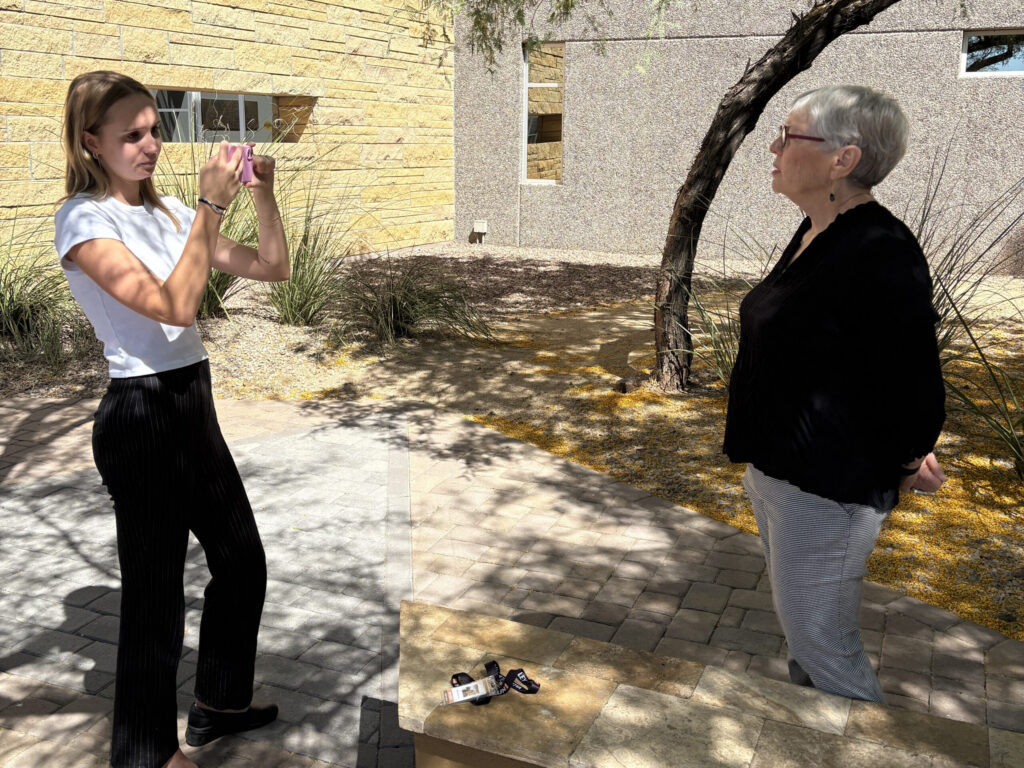
As the event proceeded, I captured my own visuals, conducted interviews, and gathered quotes to distribute afterward. This is ideal for reporters who are unable to attend the event in person. Stepping into the role of a one-person production team when the story demands it.
What I learned about myself
During the process, I learned what I can control and what I cannot control. I cannot control whether a reporter shows up, but I can control my actions to get them to show up. Picking the right media targets and tailoring my pitches to reporters ensures I’m doing what I can to make the event interesting and newsworthy for them personally. I can also control my demeanor and preparation for the arrival of reporters. I am a helping hand for the client and the media to connect with one another.
I also learned TV cold calls are not as scary as I anticipated. A clear script and two strong angles are enough to hold a conversation and spread the word about an upcoming event. The most important lesson from this campaign: When I am calm, my client is calm. That is not a small thing.
It is important to show your support at the event you’re covering. By listening to the names read, I felt the realness and tragedy of the lives lost. This event is emotional for the community and the client. I learned that emotional support, even if it’s silent, demonstrates that this is not a transactional relationship, but one of support and caring about telling the story the way they want it told..
What I Will Apply to My Next Campaign
For future campaigns involving embargoed media or location privacy, I want to connect directly with venue leadership weeks before the event to ensure everyone is aligned before cameras arrive. It is better to over communicate then have someone left in the dark.
I want to also implement spokesperson preparation into every campaign plan as a required step. Some people are confident and composed in front of a camera, ready to relay their story. That is not always the case, and preparing talking points can be the difference between a good interview and a great one. Setting up a dedicated practice session ahead of an interview can bring the entire experience to a new level for the spokesperson and for the story.
Every one of those lessons traces back to the weight of what this campaign represented.
Six thousand names were read aloud on April 14, 2026. Each one represented a life. Each one deserved to be remembered. Helping ensure the world heard them is the kind of work that puts everything into perspective. That responsibility will shape every campaign I take on from here.